
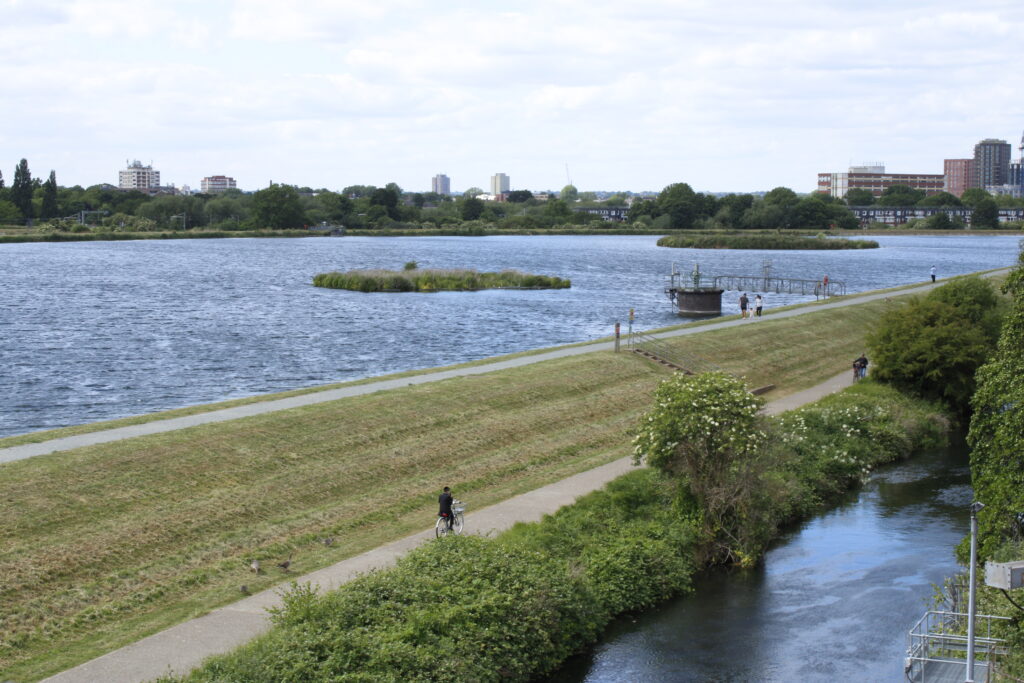
Twenty minutes from central London rests an oasis – an open-air space where vast bodies of water are encircled by foot and cycle paths. This is the Walthamstow Wetlands, a nature reserve operated by the London Wildlife Trust charity.
Previously, it was a reservoir closed to the public. Eight years ago, it was opened up to become the buzzing place it is today.
Connor Walsh, international engagement officer for the Wildfowl and Wetlands Trust (WWT), a UK-based wetland conservation charity, calls the ecosystem a “superpower”. He references Colombo, Sri Lanka, where many of his projects have been based, to demonstrate that wetlands can support cities around the world.
“We did a study with government partners there in the World Bank, and it showed that if you got rid of all those wetlands, they’d have a catastrophic-level flood every year or two years. But with the wetlands, it gives them about a one in forty to fifty-year protection.”
Floods pose similar threats in the UK. According to the WWT, annual economic losses from flooding in England and Wales could amount to £6.8bn by the 2050s.
Wetlands help reduce flooding by storing excess water and releasing it slowly. As the climate crisis increases the likelihood of flood events, more regions are considering wetlands as a preventative measure.
Amy Attle, nature recovery officer at the Walthamstow Wetlands, explains that creating the space came with its own challenges. It required dredging – removing sediments from the bottom of the reservoir – which was done by Thames Water.
Because the reserve is so accessible, she explains there were also concerns about damage to wildlife and public safety. To protect them, the reserve closes off certain areas and limits operating hours.
It is recognised as a Ramsar Site of Special Scientific Interest (SSSI), a title for wetlands that have made a significant impact in regulating water cycles, and supporting wildlife habitats and biodiversity. The area is home to a variety of species, including kingfishers and peregrine falcons.
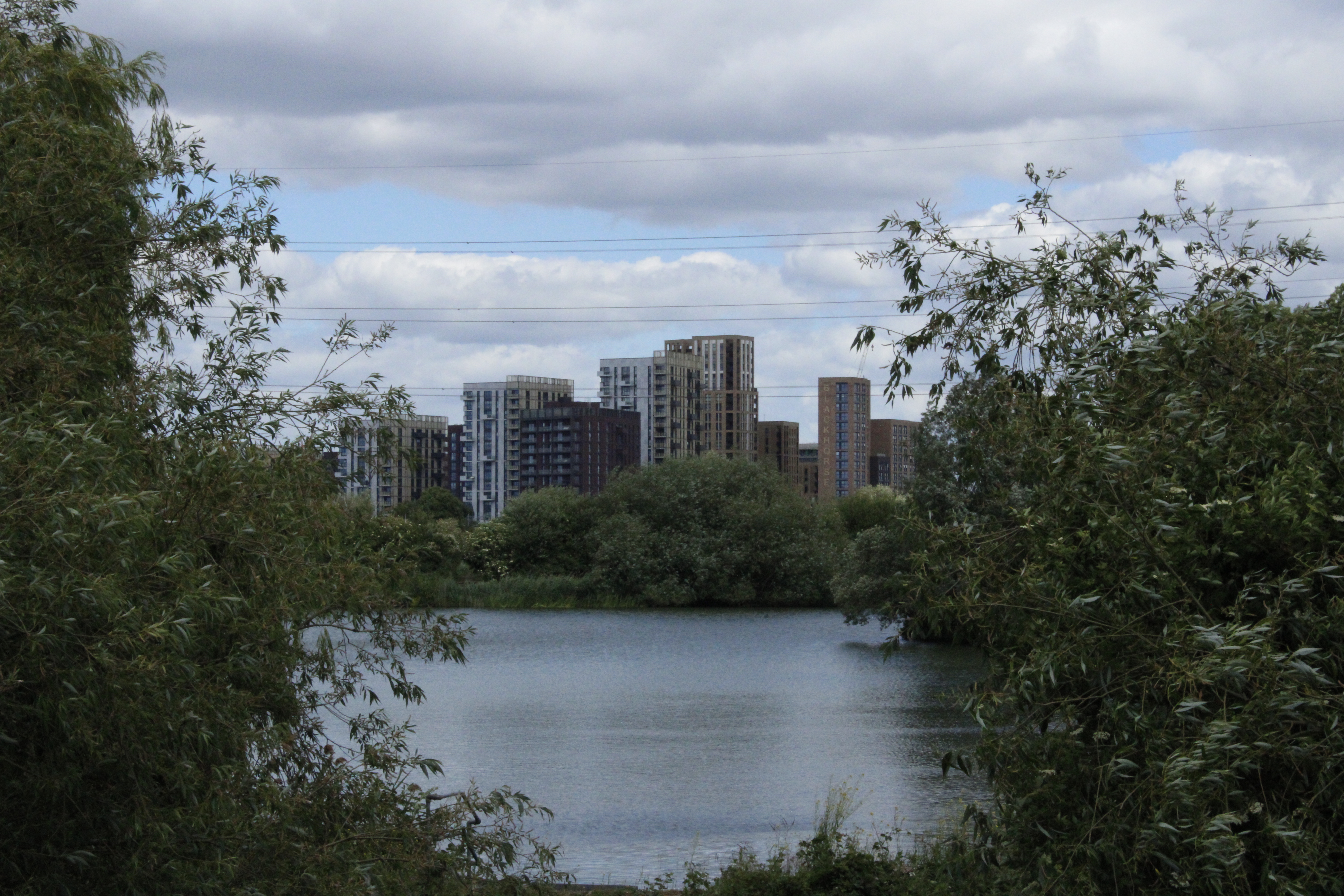
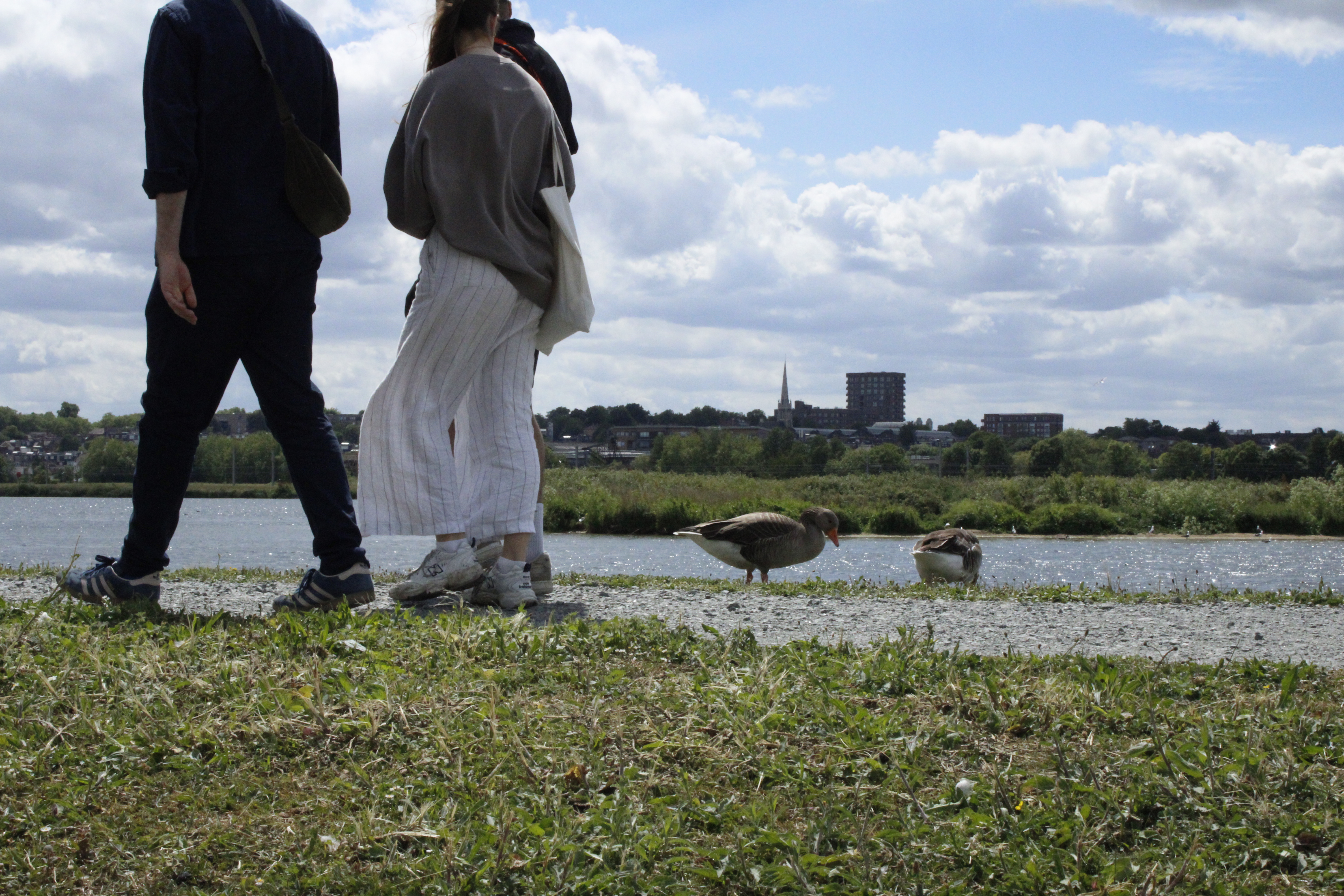
It is the wetlands’s accessibility that makes the site so appealing to Londoners. Lira Valencia, visitor ranger at the Walthamstow Wetlands, explains that she applied for the job to immerse herself in the environment.
Even though London is one the greenest cities in the world, with over 3,000 green spaces, “connecting with nature felt a bit difficult” when growing up, she shares.
“But [this] is a green space that improves mental health and makes people feel good,” she says, gesturing to the wetlands before her.
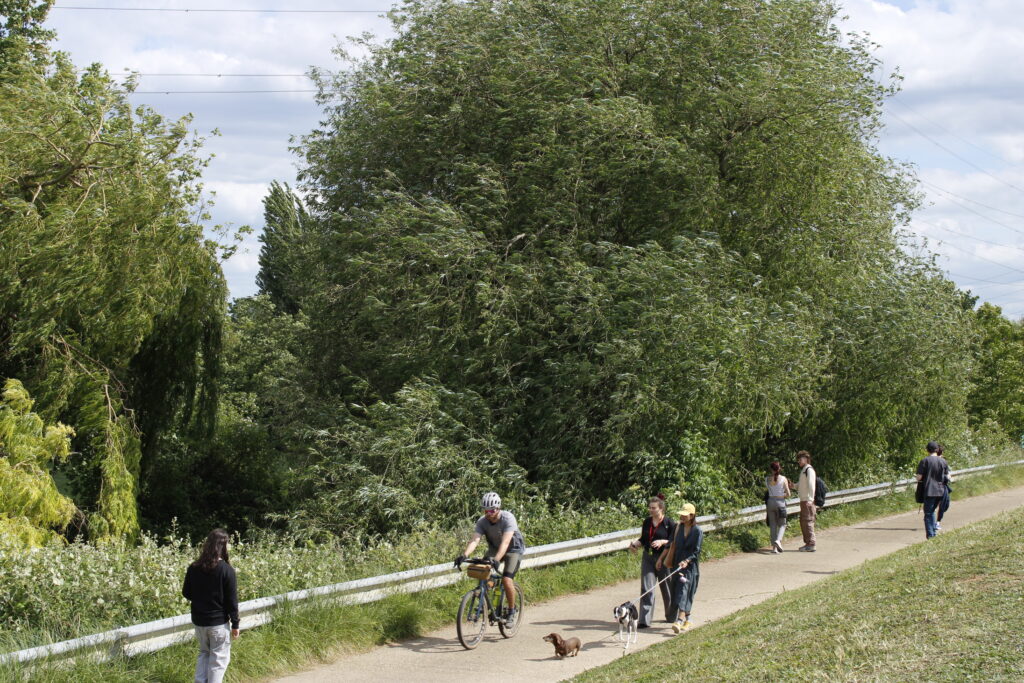
Matthew Simpson, director of the environmental services consultancy company 35 Percent, manages wetland restoration and conservation projects, and collaborates with governments from Sri Lanka to Bolivia to integrate wetlands into public policies. He also sits on the Convention on Wetlands Advisory Committee, which annually recognises cities for their wetland conservation efforts.
The Wetland City Accreditation, Simpson explains, can be an opportunity for mayors to promote their cities and the steps they have taken to make them more climate-resilient.
To him, the fact that the accreditation scheme has gone from including 18 cities to 31 in the past year is a sign that the benefits of wetlands are being recognised.