

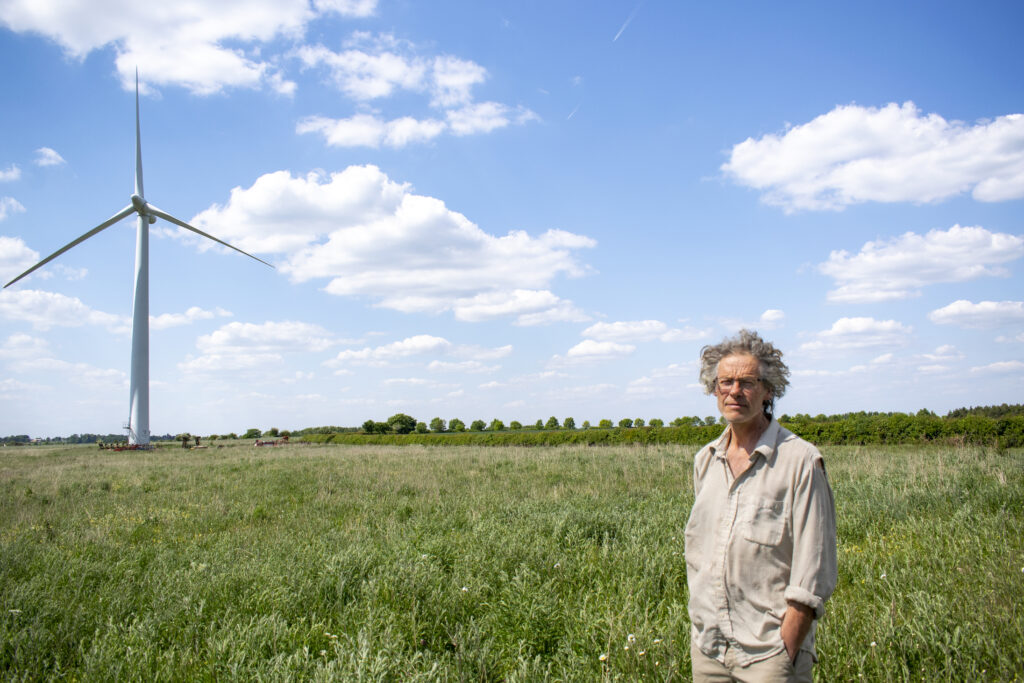
Amid the twitter of birds and the scent of manure, the steady, hypnotic whoosh of the five wind turbines at Westmill Wind Farm in Swindon hums in the air.
“Building community is very important to me,” says Adam Twine, founder and owner of the land where the wind and solar farm stands in South West England. Dry mud clings to his fingertips, and at any moment he expects to be called away to help deliver a calf.
Community energy projects across the country are trying to follow in Westmill’s pioneering footsteps, but many are struggling to get projects off the ground. In London, councils have been allocated £170m since 2016 through the Mayor of London’s carbon offset fund. The money is meant to be dedicated to local carbon-cutting projects, but less than £40m has been spent.
Twine’s approach to farming mirrors his outlook on life: hands-on, climate-driven, and collective. An anti-nuclear activist in the 1980s, Twine began looking for ways to make his land more sustainable.
Inspired by Denmark’s success with community wind power, where 20 per cent of new projects must be locally owned, Twine set out in 1992 to build the UK’s first community-owned wind farm.
At the time, the UK renewables industry was still in its infancy: the first commercial wind farm opened in Cornwall in 1991, and the first community-owned project, Baywind in Cumbria, wouldn’t arrive until 1997.
Without a roadmap, Twine spent 12 years battling for planning permission, facing Nimby resistance, concerns over bird populations, and logistical hurdles, before finally getting the green light. The £4.5m cost was raised by 2,400 community members.
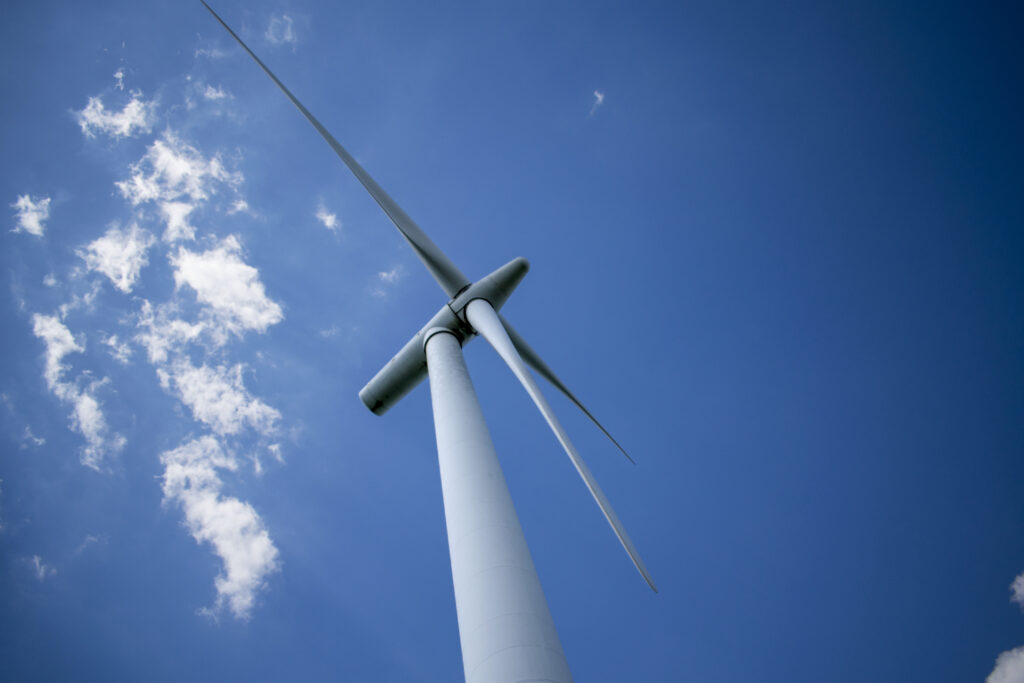
The five turbines stand 39 metres tall, with 10-tonne blades collectively generating 1.3 megawatts, enough power for around 1,500 homes.
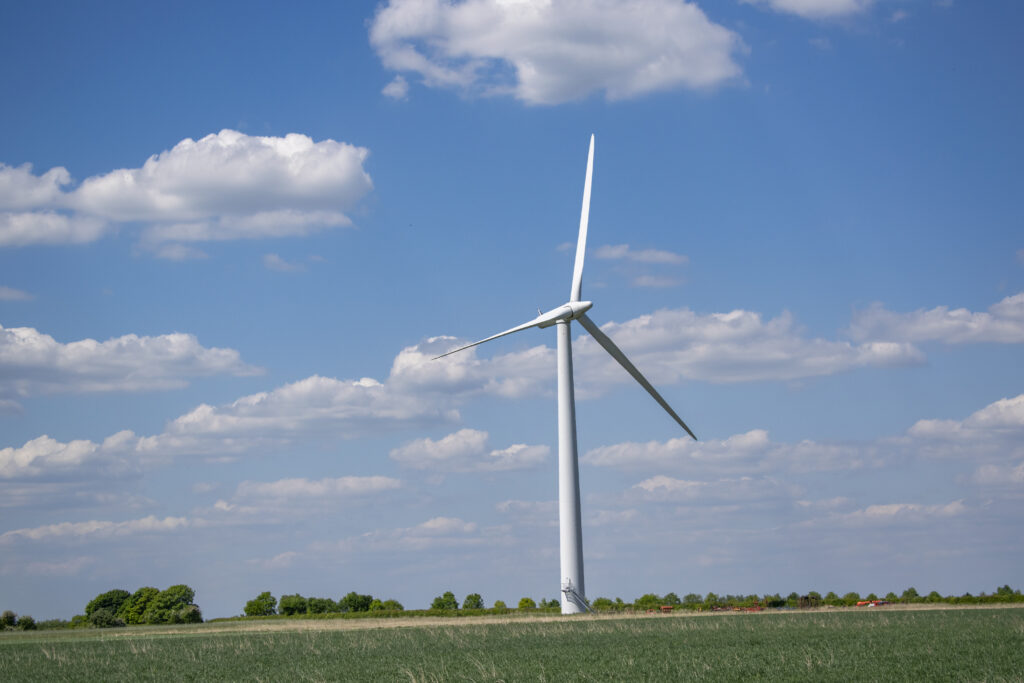
Westmill is widely regarded as the gold standard for community energy projects in the UK, but newer schemes now face escalating obstacles.
An April 2025 Guardian investigation revealed £130m of carbon offset funds allocated to London’s 33 councils – 28 of which have officially declared a climate emergency – remains unspent. Intended to support carbon reduction projects, councils blamed a lack of time, resources, and expertise for delays in deciding how to use the money.
Meanwhile, two-thirds of councils admit they are unlikely to meet their net zero targets, saying climate action was being “strangled” by hard-to-reach funding pots.
Croydon Community Energy is one group feeling the strain. Founded during the Covid-19 pandemic by Connie Duxbury, also chair of Community Energy London, it launched in November 2021.
Since 2016, Croydon Council has received £5m through the Mayor of London carbon offset scheme but spent just 22 per cent. Worse, the council has been declared effectively bankrupt three times since 2020 and faces a £98m shortfall in 2025-26.
“It’s been hard,” says Duxbury. “Especially since they got rid of subsidies like the feed-in tariff” – a government program that paid households for generating their own renewable energy – “which made previous projects more viable.”
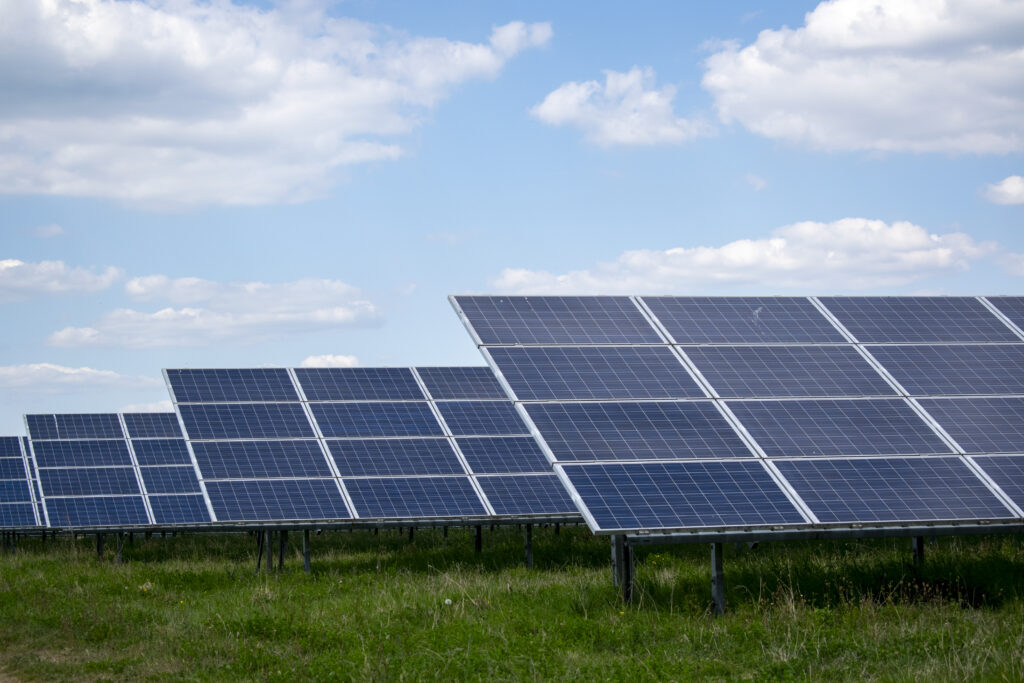
The group proposed installing solar panels on council-owned schools and leisure centres, offering free installation and long-term savings. Instead, the council demanded £72,000 in rent from the community organisation for the privilege of using rooftops that currently stand empty.
It gets people engaged. It makes them feel like they own part of something
Connie Duxbury, founder of Croydon Community Energy
According to Croydon Community Energy, installation could have saved the council £100,000.
The group turned to privately owned sites instead. Through a mix of small grants and community fundraising, they raised £120,000 in April, enough to start installing panels on a church, a school, and a Hindu temple.
The benefits of community-owned energy are tangible. Duxbury points to the 2022-23 energy crisis, when wholesale prices spiked and bills for most households soared. Communities supplied by local renewable projects, however, were shielded.
Yet barriers remain. Chiefly, the UK’s clogged grid connection system, where thousands of renewable projects wait years for access to the national grid. Many of these socalled “zombie connections” belong to speculative developers with no serious plans, blocking credible projects for up to 15 years. In April, the government promised to clear the backlog, claiming it would unlock £40bn a year in private investment.
Duxbury remains sceptical. She points to the wider political climate that has stalled community energy projects in recent decades, from the Conservative government’s effective ban on onshore wind to the scrapping of the feed-in tariff. Though Labour reversed the wind ban in July 2024 and pledged to deliver eight gigawatts of community-owned power by 2030 through its Local Power Plan, Duxbury has doubts – “not unless they fund the sector”, she says.
For her, the true value of community energy isn’t just clean power – it’s what it enables. “It gets people engaged. It makes them feel like they own a part of something. Loads of groups run food banks or school programmes from the profits. It’s real end-to-end community stuff.”
Community energy groups and councils need to work together, says Jessica Dunning, a director on the board of Westmill Wind Farm Co-Operative. “The council gives a group legitimacy,” she explains. “You need a cultural shift and you need people’s opinions on these kinds of things to change, and a community energy group is the best place to do that.”
Beyond clean power, these groups have a social role too. “Community energy groups fund poverty alleviation schemes. They have energy advice schemes. They’re working with people in the community that are shut out of the transition and shut out of using energy, in many cases because of the high cost.”
Westmill has proved what’s possible when communities take control of their energy. Out of it grew the Westmill Sustainable Energy Trust charity and the farmer-led NGO Farm Carbon Toolkit, both dedicated to spreading the knowledge and spirit of collective energy.
Back on the wind farm, Twine recalls a moment when it nearly all fell apart. After almost 12 years of planning, spirits were low in one crucial meeting. “I didn’t think it was going to happen,” he says, rubbing his brow.
Then, from the back of the hall, one person stood up in defiance. After all these years, they pleaded, they could not let it fail.
As the turbines turn steadily behind him, Twine explains that’s what truly made Westmill work: the spirit of a community that refused to give up.