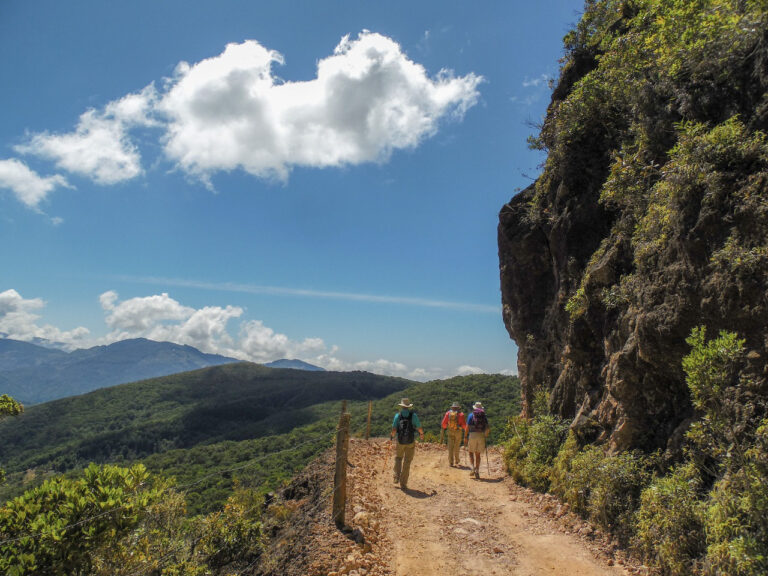

The Lake District is one of the most scenic parts of Britain, famous for its hikes, winding roads, and of course, gleaming bodies of water. Every year, the region attracts millions of visitors in search of a natural escape.
One such place is Ullswater, home to the district’s second largest lake. The water stretches seven and a half miles long between the small towns of Glenridding and Pooley Bridge. It can only be reached by two main roads.
This became a problem for local people when the roads were flooded with tourists eager for their rustic escape. But rather than raging against it, residents saw this as an opportunity to maintain the high levels of footfall while promoting sustainable travel.
Their response was the Sustainable and Integrated Transport for Ullswater (SITU), a community-funded bus route that connects visitors to the most scenic parts of the Ullswater valley.
Set up three years ago by friends and residents Daniel Holder, owner of the Quiet Site glamping spot, and Michael Firth KC, the route operates two services – a shorter, scenic route within the valley, and another connecting it with neighbouring areas.
The latter service is run by private bus operator Stagecoach, as it now generates a profit. The shorter service is funded by pledges from local businesses.
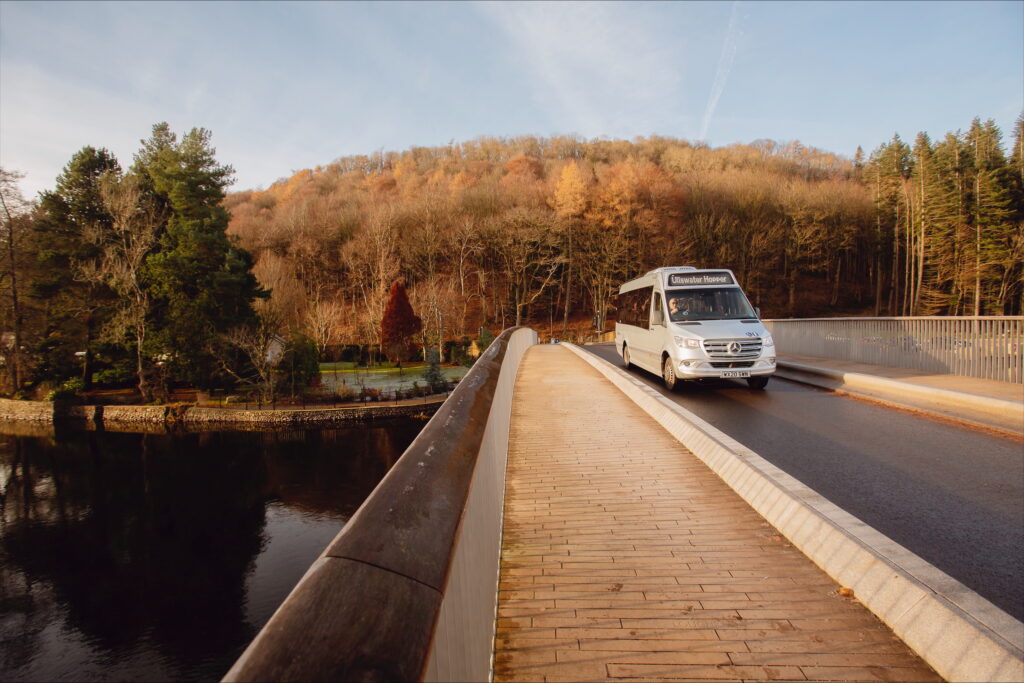
“In the first year, we moved around 1,600 people. In the second year, we moved just over 9,000. And this year we’ve already seen a 22 per cent increase,” says Holder.
Though the pledges are essential to keep the bus running, Holder believes the route is valuable regardless, as it helps to reduce road traffic while still attracting tourists.
“It benefits everybody that comes to the valley: visitors, community, businesses,” he explains.
According to current predictions, such interest is expected to rise. The Business Research Company estimates that, globally, ecotourism will grow by 13 per cent this year, to be worth over $279bn (£205bn) by 2026. It is predicted that this will increase up to $497bn (£366bn) by 2029.
But as ecotourism grows the impacts are not always positive, with rural areas experiencing more congestion, litter and disruption. Globally, the tourism industry contributes to over five per cent of greenhouse gas emissions, of which 90 per cent are transport-related.
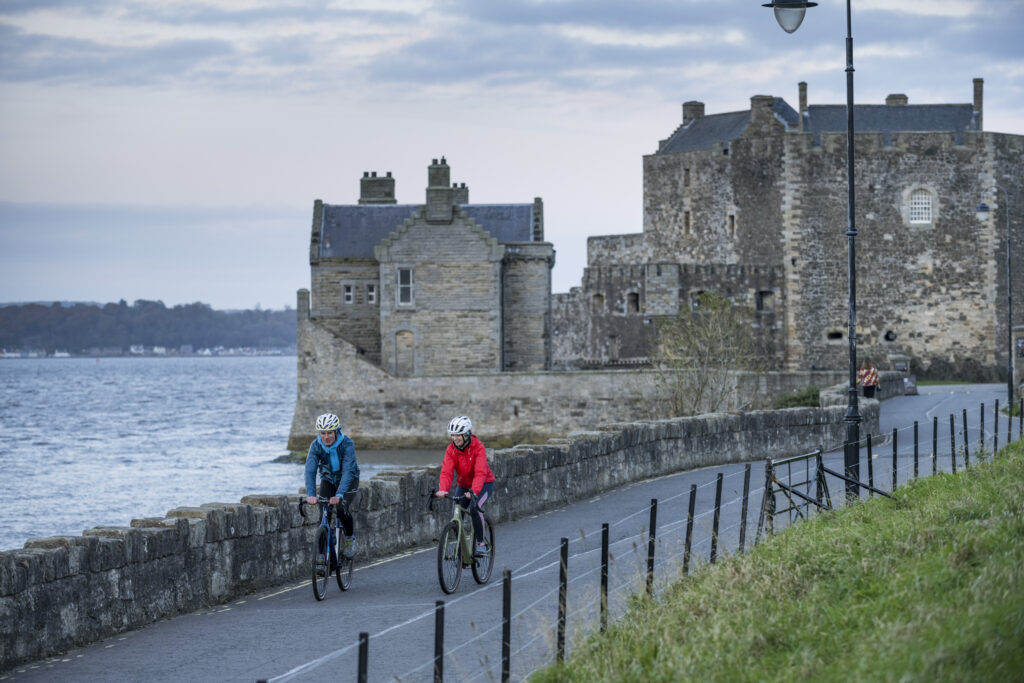
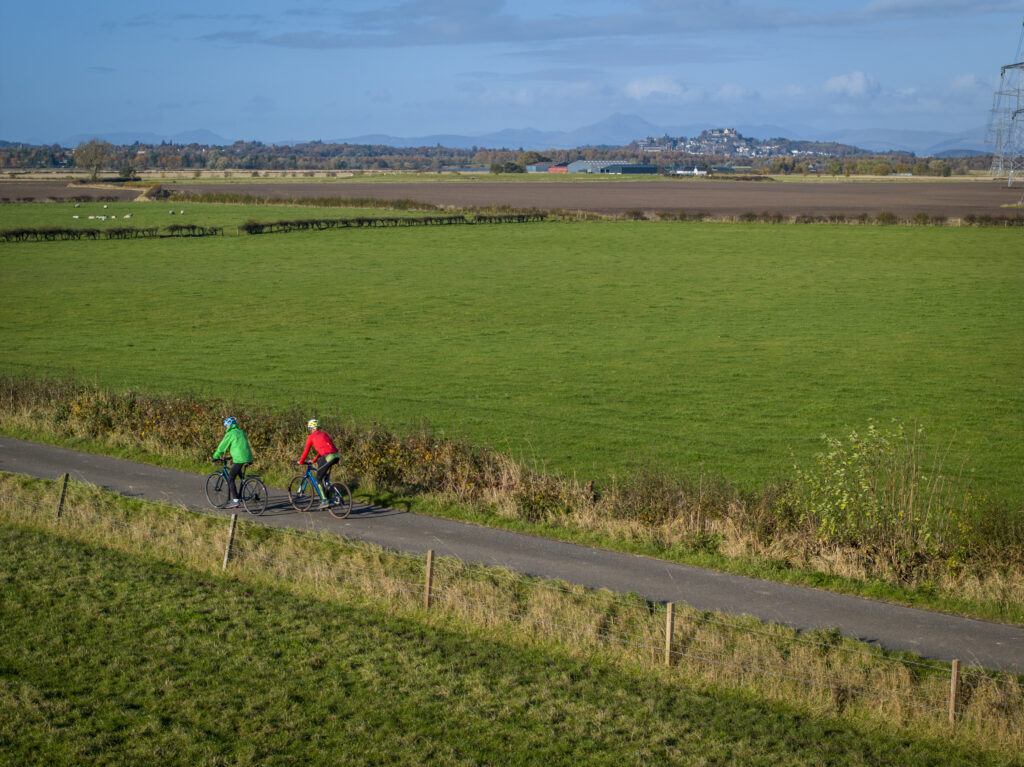
This is inspiring more communities to take up efforts like that in Ullswater. In the Inner Forth area of Central Scotland, the Climate Forth Project works with the National Lottery Heritage Trust and the RSPB to provide a bus and bike service that allows people to explore the area, following the River Forth from Stirling to Fife.
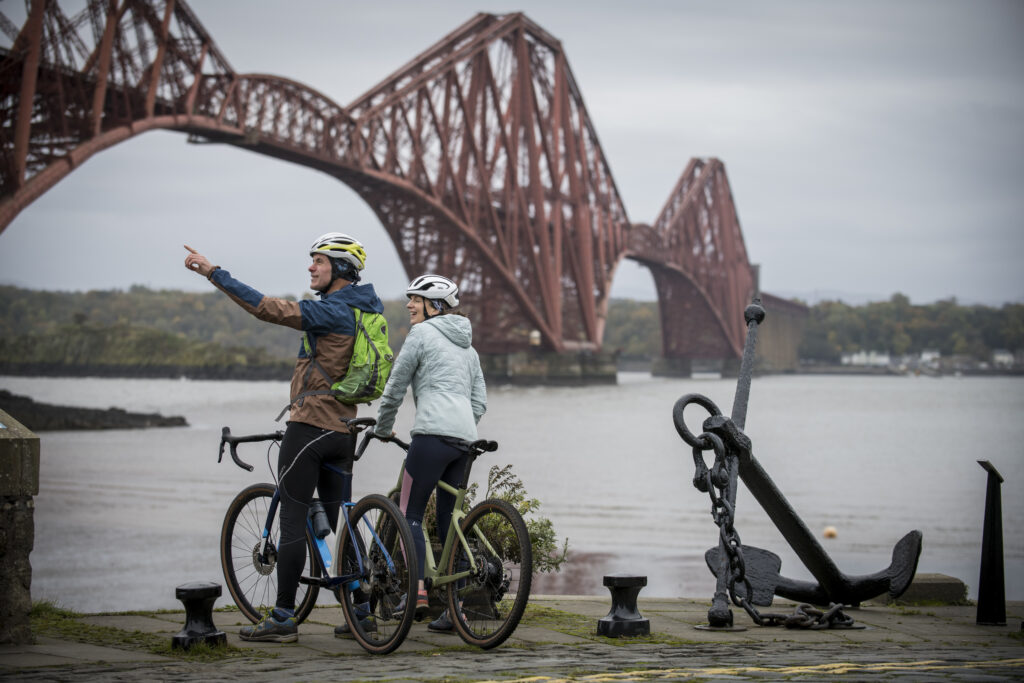
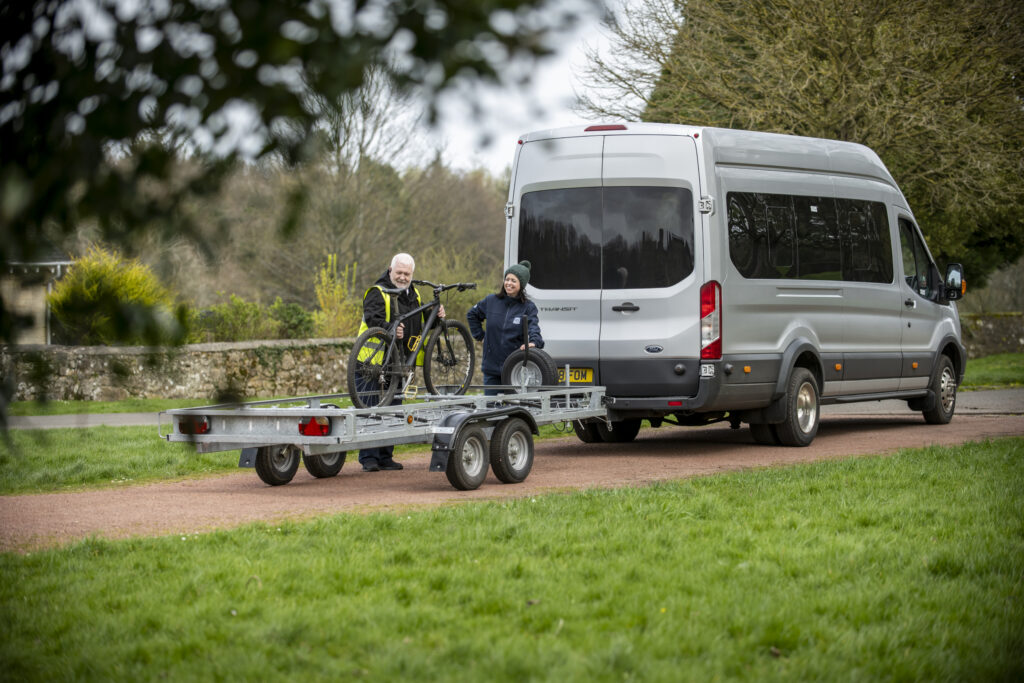
Created in 2024, the Inner Forth Bike Bus provides a free minibus service with a bike trailer every Sunday, so visitors can explore the routes sustainably and reach parts of the area inaccessible by foot or cycleway.
Laura Healy Smith, Climate Forth project officer, says that the route is still picking up traction, aiming to attract about 200 travellers this year.
Though the Inner Forth project is still growing, Healy Smith says it’ll be “a learning experience regardless.”
“It could be replicated elsewhere. The Shetland Islands have contacted us already,” she adds.
“There’s so much history, so many stories. Our heritage is really important. It’s what connects us to where we come from,” Healy Smith says. “It opens people’s eyes to what’s out there … it gets people outside and changes their attitudes about driving.”