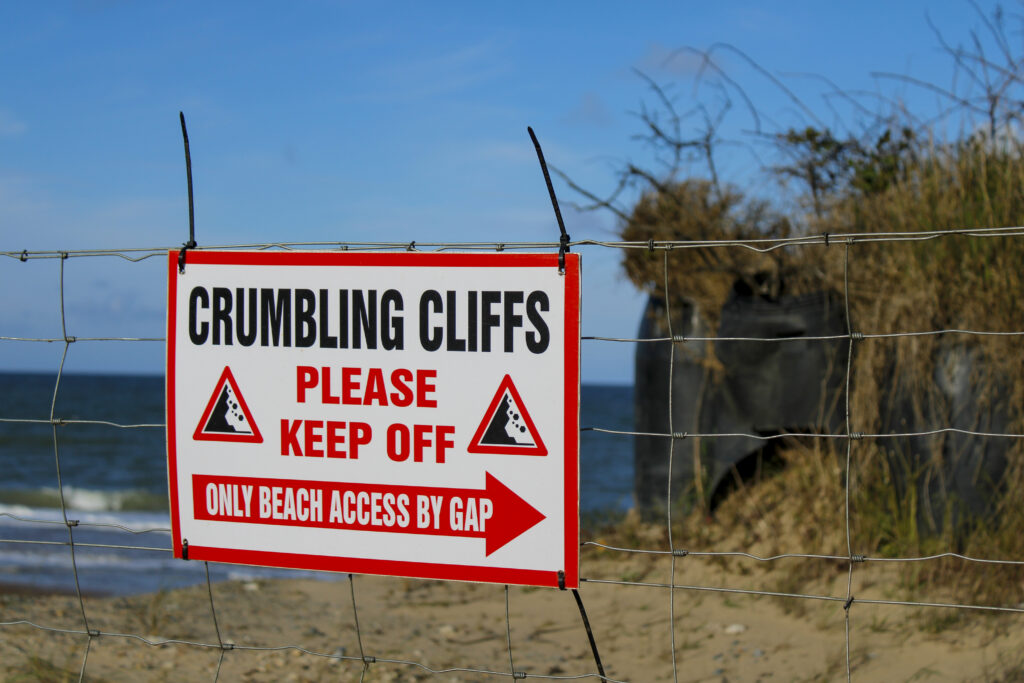

Norfolk seaside village Hemsby looks much the same today as it did in the 1970s. Loud neon coin pushers and flat-roofed Vegas-style bingo halls still line Beach Road, curving east towards the coast, the village’s proudest feature.
The beach itself is one of the few features that has changed dramatically. It has mostly disappeared into the sea – along with three rows of homes.
Hemsby is among the seaside villages in the East of England hardest hit by coastal erosion, having lost more than 300 metres of beach over the last half a century. Reports estimate that 1,305 north Norfolk properties could disappear into the sea within the next 80 years.
The Environment Agency has committed £5.2bn for flood and coastal erosion management projects. But accessing the funds has proven difficult for communities like Hemsby, where many wooden seaside homes fall outside the criteria for protectable assets.
I lost my home because the government didn’t do anything
Kevin Jordan
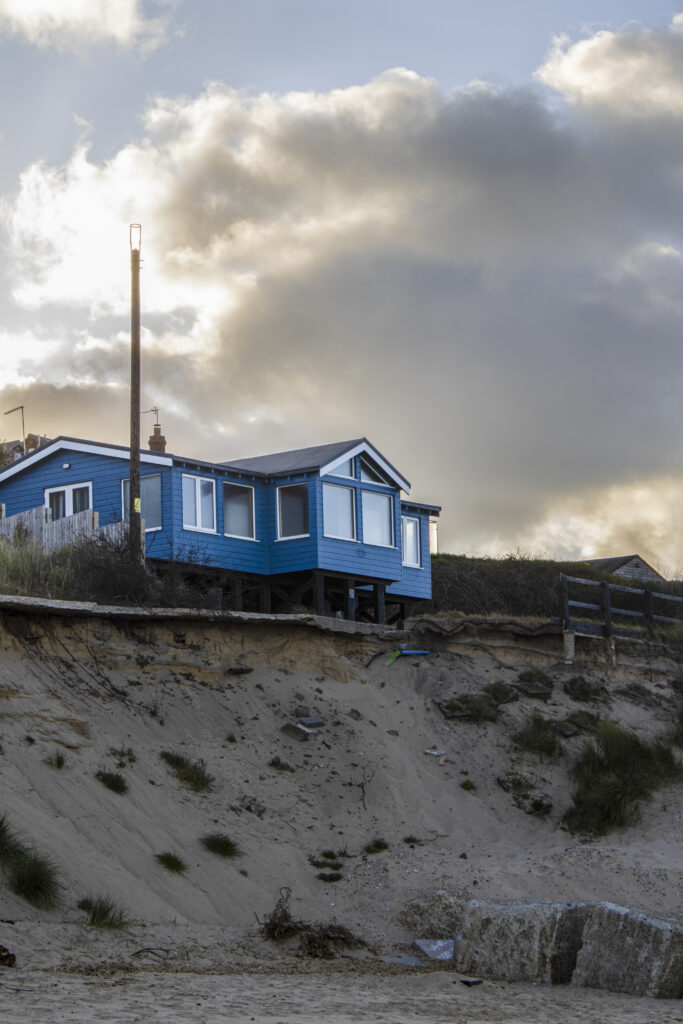
Kevin Jordan retired to a bungalow here in 2009, after the death of his wife and eldest son made staying in his inland cottage too painful. He planned to spend his retirement on his front porch, playing guitar over the sound of waves folding onto the dunes. Over the next 14 years, those dunes steadily disappeared. His house soon followed.
Jordan’s home was ordered to be demolished by the council in November 2023 after storms left it at risk of falling into the sea. Ten months later, he and two co-claimants lost a High Court case challenging UK climate adaptation plans for failing to protect coastal residents.
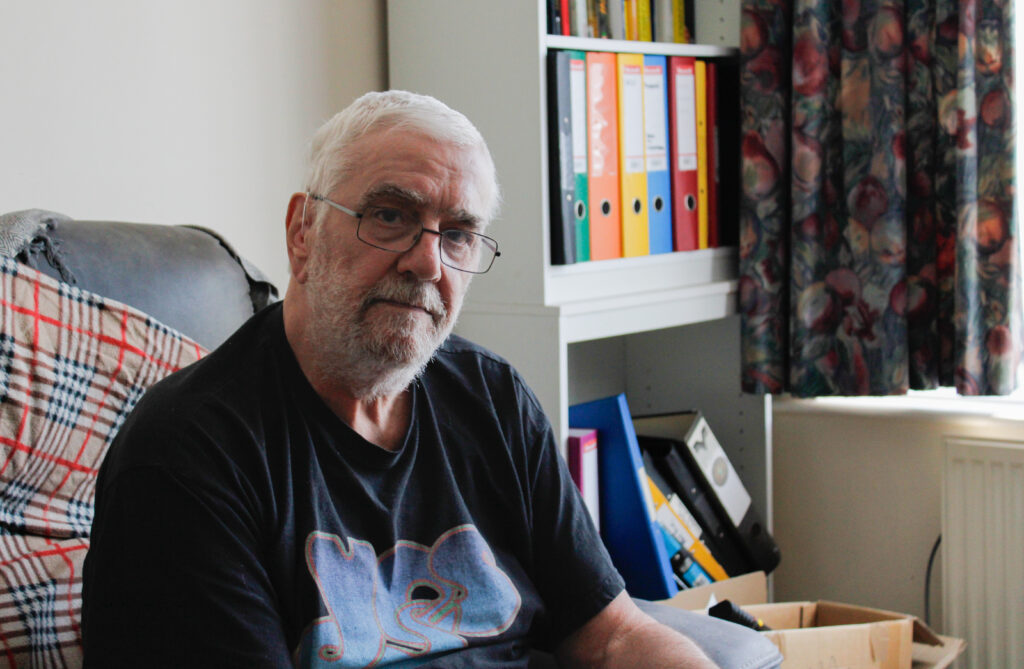
He is now appealing to the European Court of Human Rights (ECHR), claiming that the protections provided under the government’s Third National Adaptation Plan (NAP3) are “hopelessly inadequate”. “It has infringed upon our human rights,” the 70-year-old says. “I lost my home because the government didn’t do anything.”
Jordan’s ECHR submission is under review, bolstered by a scathing review of Britain’s climate change preparedness by the Climate Change Committee, the UK’s independent environment watchdog. Their report concludes that NAP3, enacted in July 2023, “falls far short of what is needed” and requires an “urgent refresh”.
Coastal erosion is a natural process in which waves gradually strip land from the shoreline – albeit one that is speeding up due to destructive storms amplified by the climate crisis. North Norfolk coastlines are particularly exposed due to their location.
“They’re basically lumps of clay that stick into the North Sea,” says Gerd Masselink, professor of coastal geomorphology at the University of Plymouth. “The waves just want to straighten out that coastline,” he explains. Masselink says that the geography of the North Norfolk coastline means building defences is harder and more expensive.
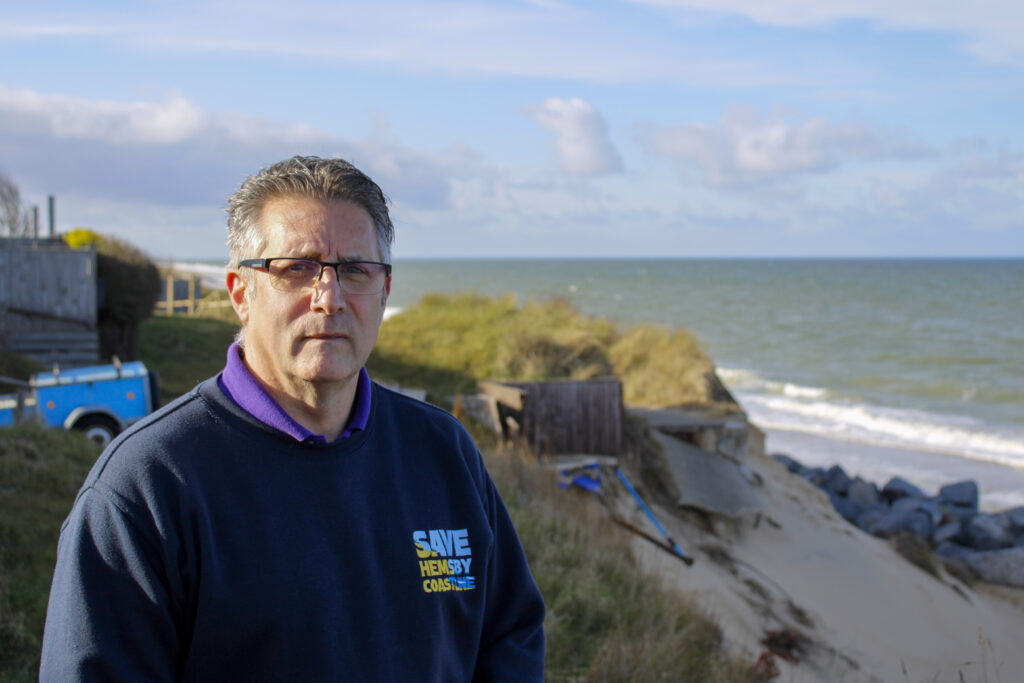
“I can’t see anything changing quick enough to rescue this now,” sighs local resident and Save Hemsby Coastline chairman Simon Measures. “Every time we get a glimmer of hope that something’s happening, it will get slammed in your face again.”
In 2023, Hemsby was refused government funding for beach defences because the value of protected assets at risk was not high enough to balance installation costs. Funding criteria includes only houses with brick chimneys, since they are considered structures with greater permanence. These requirements exclude Measures’s property, Jordan’s former home, and all other housing on Hemsby’s immediate shoreline due to their wooden builds. “It’s not about properties and assets. It’s about people, homes, and livelihoods,” Measures says.
Great Yarmouth borough councillor James Bensly says Environment Agency funding criteria should be adapted to remove the “chimney formula” and include profits raised through tourism. He believes, with changes, “Hemsby would be well placed to get sea defences.” But, to Jordan, the damage has already been done. His home remained unprotected until its demolition. “I wish I hadn’t moved. I wish I was still in that cottage.”
“This is a bitter and twisted sadness being here,” he says of being rehoused by the council to a ground floor flat in Martham, a village three miles inland. “The local authorities and the government have left Hemsby behind.”
Still, he remains undeterred, fixing his sights on his new ECHR submission. “I’m always hopeful. What else have I got?”