

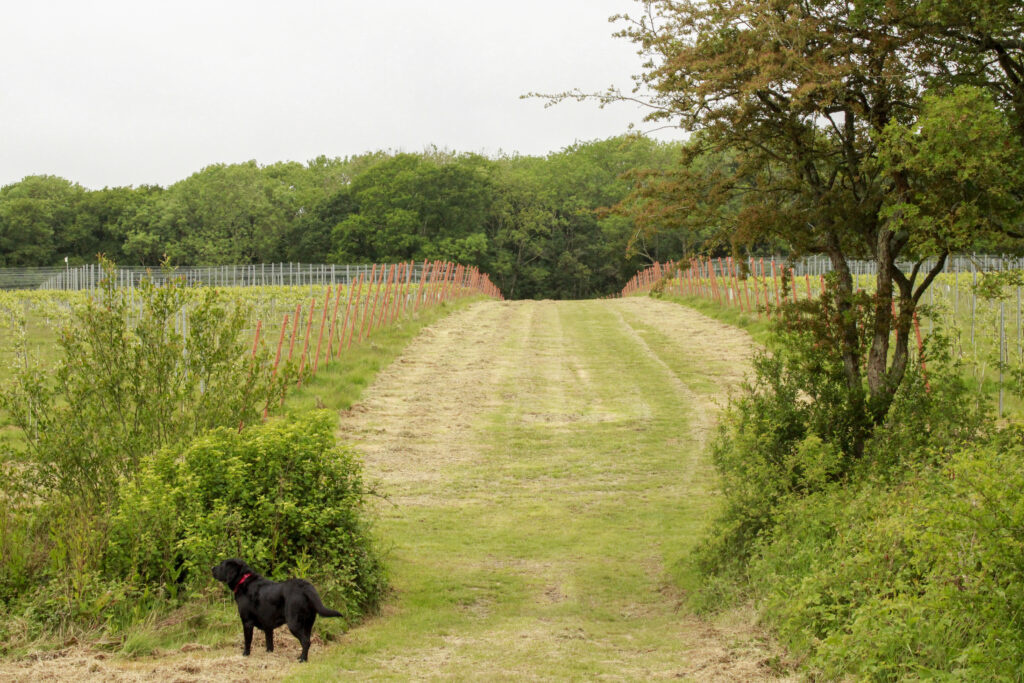
On a green hillside in East Sussex, thousands of grape vines stretch further than the eye can see. The Artelium vineyard grows a variety of grapes to produce still and bubbly wines. The company first planted crops in 2018, and produced its first bottle three years later. It now sells its products throughout the UK and exports to countries from Norway to the US.
Artelium is part of a wider boom in British wines. According to WineGB, there were more than 4,000 hectares dedicated to wine production in the UK in 2024, a 74 per cent increase since 2019. This makes wine the UK’s fastest growing agricultural sector.
WineGB projects that there could be almost 7,700 hectares of vines in the UK by 2032, thanks largely to more favourable conditions caused by the climate crisis.
As a result of global heating, the Met Office projects warmer, wetter winters and hotter, drier summers with more frequent heat waves and heavy rainfall. “The whole ecosystem is changing,” explains Chris Scott-Gray, a tour guide at Artelium.
It may be easier to produce wine in England as temperatures rise, but the wine connoisseur warns that conditions may not always favour production. Last year’s unusually rainy weather in June, he explains, actually led to a lower yield of wine produced.
You even find a winery in Yorkshire nowadays
Tom Gilbey
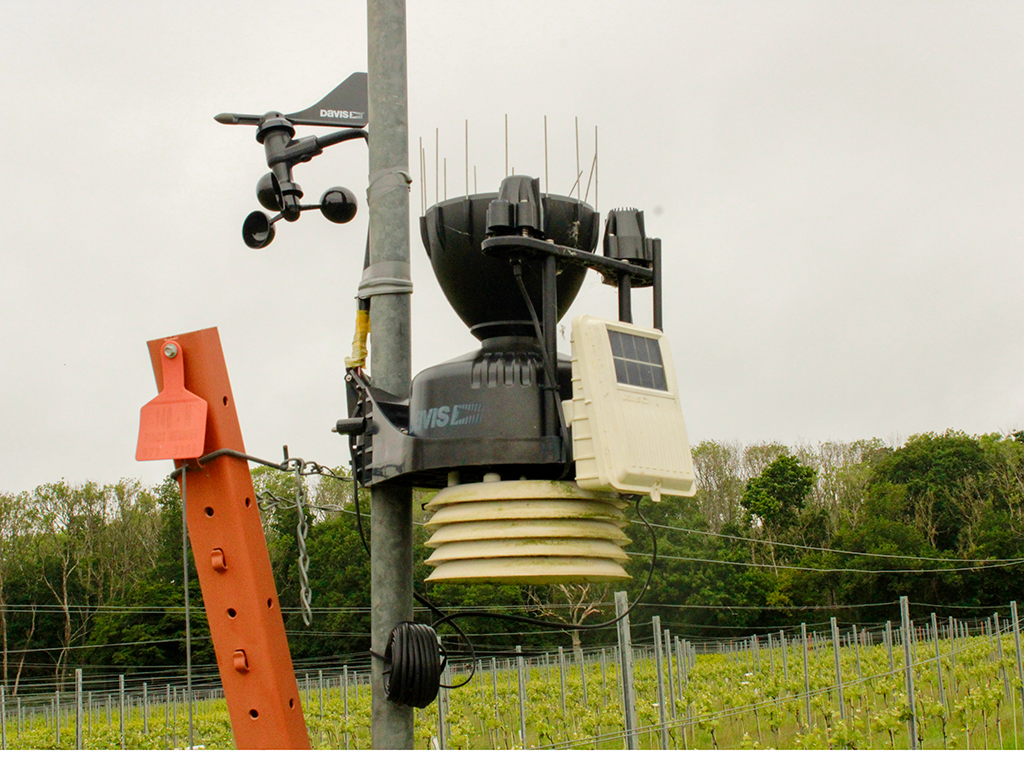
At the Artelium wine estate, several weather stations have been installed to monitor the climate. Scott-Gray explains that frost and wet summers are the biggest threats to winemaking. In cases of frost, bonfires are lit to “move air around to protect the grapes,” he says.
Britain’s wine industry existed far before the climate crisis. Though often considered to be a 21st century endeavor, winemaking in the UK actually began during the Roman invasion of the British Isles during the first century BCE.
But it was only at the end of the 1980s that the industry truly began to develop, thanks to Stuart and Sandy Moss, a wealthy American couple. The pair bought the Nyetimber Estate and planted their first vines in 1986, “and by 1996, they had won the international wine challenge”, adds Scott-Gray.
Wine production in the UK is concentrated to the southern regions of England, with Kent, Sussex, and Hampshire home to most wineries. Scott-Gray indicates that the south of the country sits right on the edge of what is traditionally considered a wine-growing area: “Vine is best grown between the latitude of 30-50°C, so we are right on the cusp, right on the edge.”
These days, however, a vineyard can pop up in unexpected parts of the UK. “You even find a winery in Yorkshire nowadays,” says wine merchant Tim Gilbey.
The acidic nature of grapes grown in England, he explains, are most suited to producing sparkling wines.
“Red wine drinkers want something with a bit of juiciness and body and our climate can’t do that,” he adds.
Gilbey warns that British production still lags behind more established wine-making countries. “Our industry is a fledgling industry. We produce 20 million bottles of wine in the UK, whereas the Champagne region of France alone produces 300 million.”
As the nation’s climate continues to warm, the future of British winemaking looks bright. A combination of innovation and a more favourable climate could position the UK as a contender in the global winemaking market.