
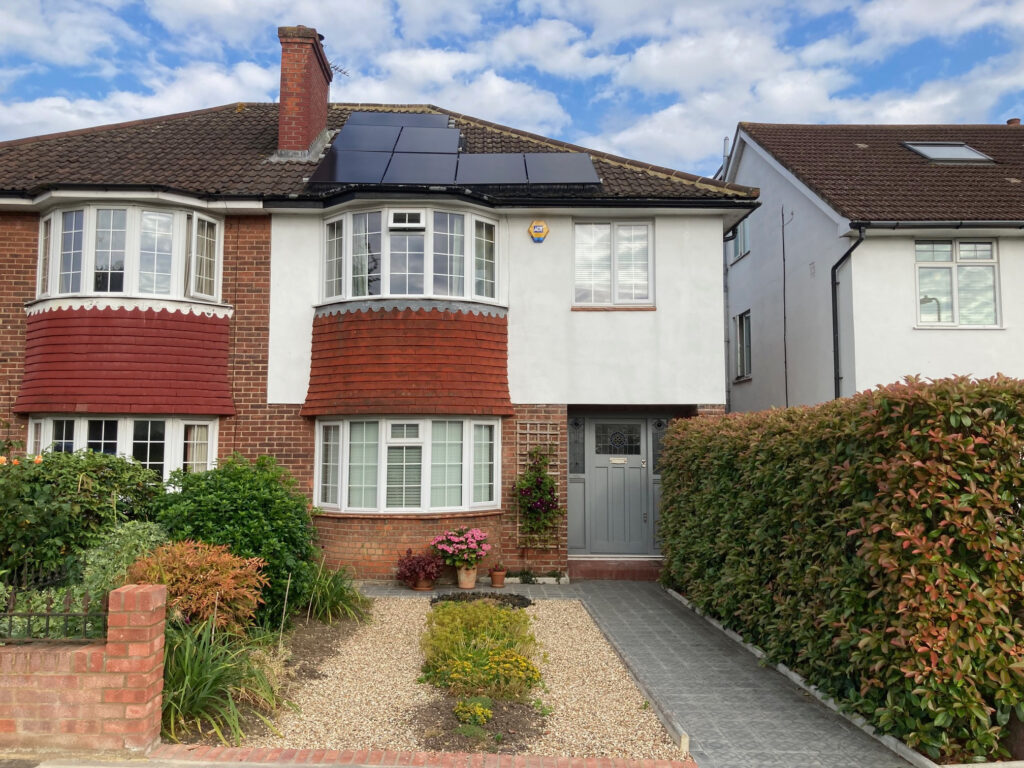
On an ordinary residential street in Barnet, north London, Lee Neighbour watches as parents double-park for school drop-off. His front garden – once a patch of grass and foliage – is now a slab of grey concrete with just enough room for a car.
“Living near a primary school made parking near impossible,” he says.
Like an increasing number of suburban homeowners in the UK, Neighbour paved over his front garden as a practical fix to a daily problem – less hassle, more control, no parking tickets.
It’s something that affects the climate that people do have control over
Donald Power, Friends of the Earth Ealing
But as rows of green space across Britain vanish under tarmac and gravel, it raises a bigger question: what happens when thousands of small, apparently sensible choices begin to reshape the environment?
Campaigners argue that paved front gardens are damaging both neighbourhoods and the natural world.
It’s “something that affects the climate that people do have control over”, says Donald Power, an officer at the Ealing branch of Friends of the Earth.
He sees the cumulative effects at street level: “It changes the look of a street and makes it look less attractive.”
While the shift may feel subtle, its impacts are profound. “Anything that’s a green space is better for wildlife. A traditional front garden with plants and bushes is a good space for insects and birds.”
“If you pave it, you reduce the life of the ground. Thousands of creatures underground will not be able to survive.”
Paving additionally contributes to rising temperatures in urban areas. “It’ll make it hotter,” Power explains. “Vegetation tends to have a cooling effect. Harder surfaces absorb more heat from the sun.”
It also worsens surface flooding, as rainwater is unable to soak into the ground.
The London Climate Resilience Review, a 2024 report commissioned by the Mayor of London, highlighted that London is not prepared for the risks of surface flooding. Extreme weather events in 2021 and 2022, including flash floods and record heat, have exposed the city’s vulnerability to climate threats.
Power believes many residents simply aren’t aware of the knock-on effects on nature. “I think they worry more about their cars and saving money on parking.”
“Although the council wants people to stop, they have created an incentive for people to do it.”
There are other incentives too. “They want to charge their electric cars from their house,” he says. “It’s cheaper to use electricity from your house than the charging points on the street.”
While convenience and cost are often the motivators, Power challenges the assumption that paving is easier. “It’s not that low maintenance. Weeds grow out between the cracks. People probably spend more on maintenance.”
What can eco-minded front garden owners do? Power recommends low-effort greenery: “cottage garden plants that you could plant, that don’t need much looking after”.
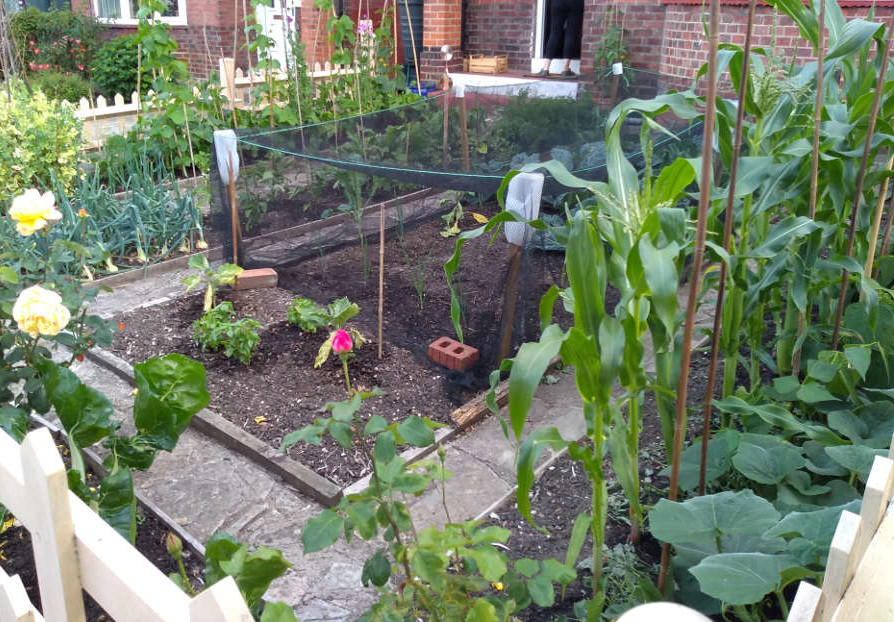
He leads by example: “For 15 years we’ve been planting vegetables in our front garden. It produces lots of food that we eat, lettuce and strawberries.”
In a changing climate, the smallest patches of green might be doing more than we think. The choices we make on our doorsteps can shape not just our streets – but our collective future.