
A recent report by Climate Central has found that all ‘pregnancy heat risk days’ recorded in the South Sudanese capital Juba, over the past five years were caused by climate change.
The term refers to days when temperatures are so high that they threaten maternal health and increase the risk of premature birth. As temperatures rise, heat-related pregnancy risks are increasing around the world.
Juba is at particular risk as South Sudan is one of the most vulnerable countries to climate change in the world. It is prone to flooding and drought, and suffers from water scarcity and a poor health system.
Dr Bruce Bekkar, a women’s health physician and climate-health activist, said: “A growing lack of affordability of care and increasing heat affect minority populations, now being magnified by the increase in heat exposure.”
Dr Bekkar, who contributed to and reviewed the Climate Central report, explained that extreme heat could trigger premature contractions and low birth weight.
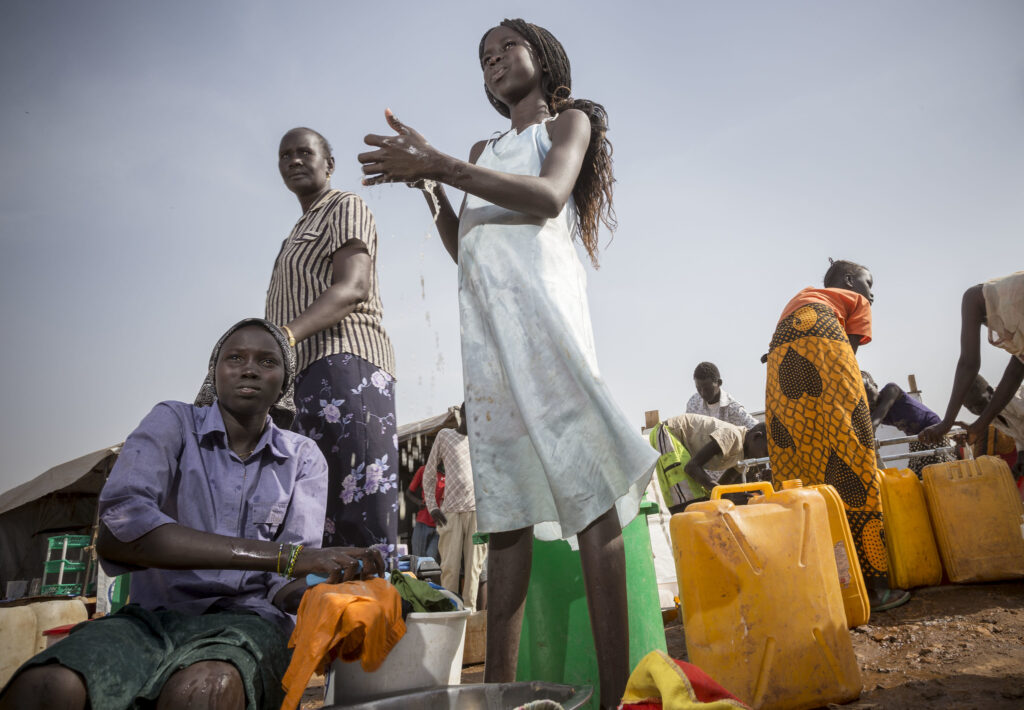
He added that keeping women hydrated helps prevent premature delivery. However, getting access to clean water is a challenge in Juba, as Taban James Dere, nutrition officer for the World Vision charity in South Sudan explained: “Within Juba, there is no free supply of water. These mothers don’t have enough money to purchase water daily.”
Dere said water insecurity adds to pregnant women’s heat stress, leaving them exhausted.
“Despite the heat, they are forced to cook using firewood and charcoal. We have seen some lose pregnancies,” he added.
Dere noted healthcare is more accessible in Juba than in rural areas, but even in the capital mothers faced challenges with a creaking public health system while private care is simply not an option for most.