
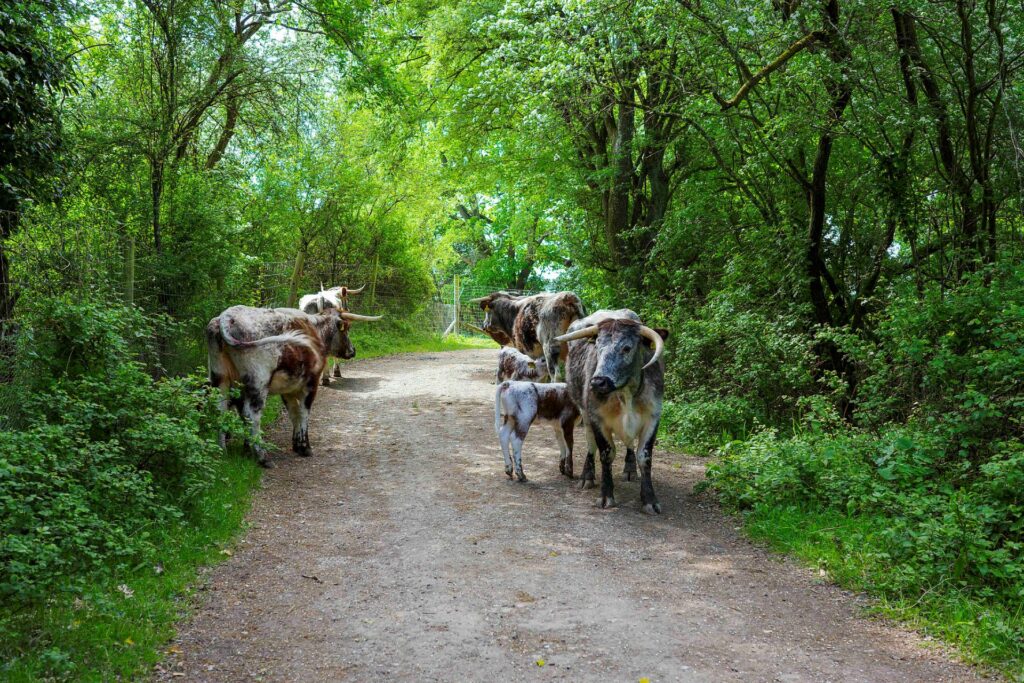
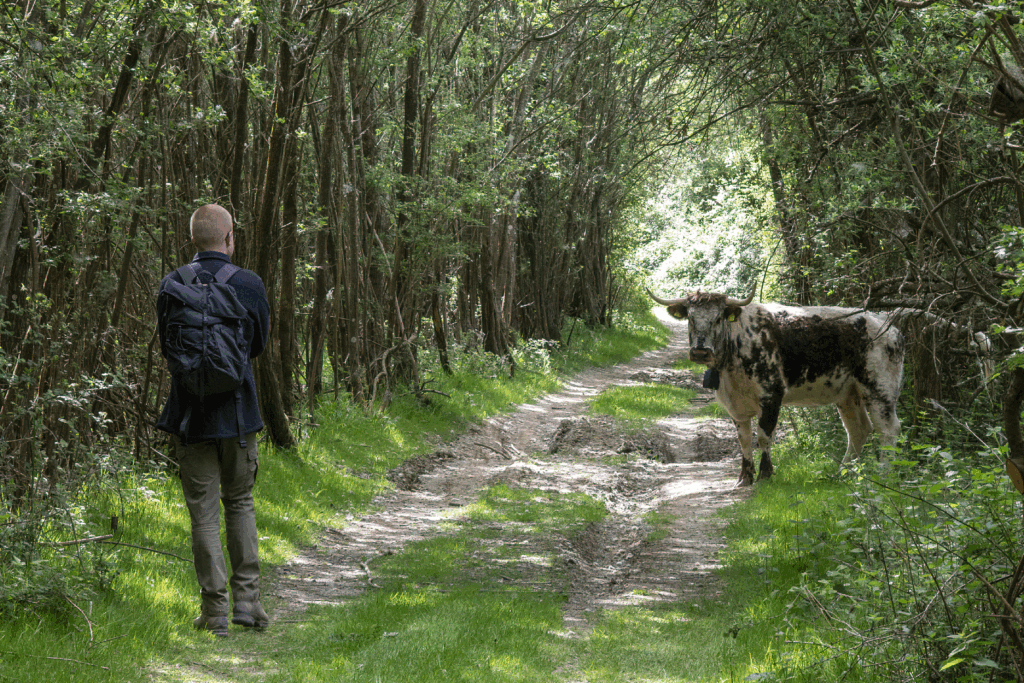
Ned Win pauses at the woodland’s edge and looks around. A family of long-horned cattle are blocking the path ahead. “They can be very stubborn,” he says. “We’ll have to find another way around.”
At the Knepp Estate in West Sussex, nature is firmly in charge. Landowners Charles Burrell and Isabella Tree shut down the estate’s arable and dairy farming operation in 2000.
Since then, the 3,500 acre plot has been transformed by rewilding. The land, maintained by grazing herbivores like cattle and deer, is left to act out natural processes without significant human intervention.
“Rewilding is about letting nature take the driving seat,” says Win, one of the estate’s guides. “It’s an experimental process.”
The results of this experiment are startling. The estate has become a wildlife haven, a biodiverse environment with flourishing populations of endangered species. Walking Knepp’s footpaths, you’re likely to see nightingales, turtle doves, white storks, and purple emperor butterflies.
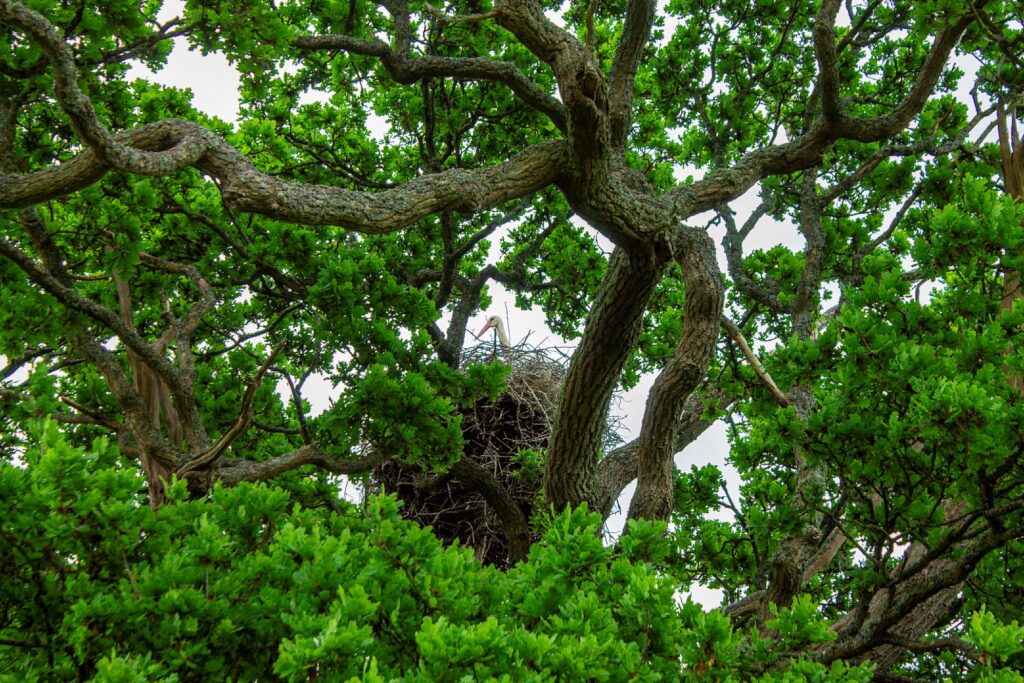
“The relationship between animals and the land is one we’re rediscovering,” says Win.
One surprise discovery has been the climate impact. Stopping intensive farming naturally reduced carbon emissions, but the most unexpected benefit lies underground.
“They looked at the below-ground biomass, and the scrubland stores four times more carbon than expected,” says Win, referring to the 2024 Knepp Wildland Carbon Project study. The study, carried out by a coalition of ecological and financial organisations, found that rewilded land stored carbon at rates similar to newly planted woodland.
“More grazing herbivores means plants put more energy into growing roots underground, meaning they store more carbon,” Win explains.
Stopping at an Iron Age pond where “pigs go diving for freshwater mussels”, Win is clear about the financial motivations behind the project.
“It was a failing farm. We’re standing on about 300 metres of clay, so in the winter it’s soup, and in summer it dries out.” Faced with mounting debts, the estate sold its dairy herd and farm equipment in 2000.
That same year, Dutch ecologist Frans Vera’s seminal rewilding book Grazing Ecology and Forest History was translated into English for the first time. A visit to Vera’s rewilding project at Oostvaardersplassen, east of Amsterdam, inspired Burrell and Tree to follow suit.
After a decade of letting the land fallow, they received funding from the Department for Environment, Food and Rural Affairs to rewild in 2010.
Born out of financial insecurity, the estate is now a model of profitable ecotourism. It runs wildlife safaris, a glamping campsite, and a farm-to-table restaurant. Without predators, culling herbivores is essential to ensuring the land isn’t overgrazed, and has led to a lucrative butchery business.
This model – improving biodiversity and carbon storage whilst being profitable – is held up by other projects as an example of rewilding’s potential.
The Wild Tolworth project in Kingston aims to become London’s largest rewilded site. Robin Hutchinson, director of local charity The Community Brain and a leader on the Tolworth project, cited Knepp to the local council to secure their approval.
“The council officer said, ‘Can you show me an example of where it’s been done before?’” Hutchinson says. “What Knepp has done is allow people to go ‘this isn’t a pipe dream, this actually works’.”
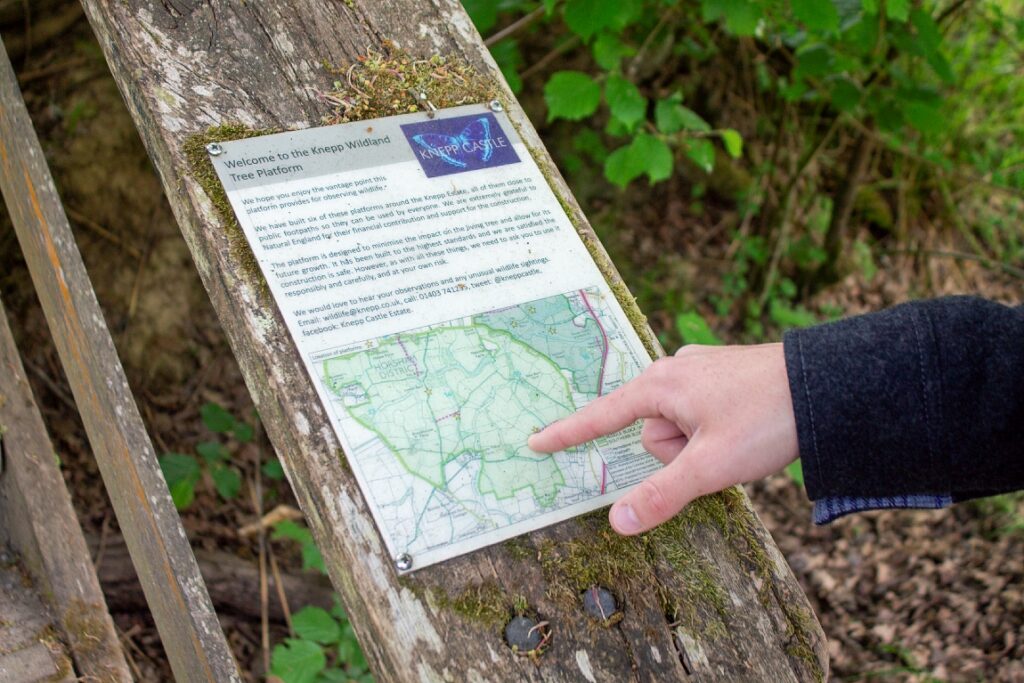
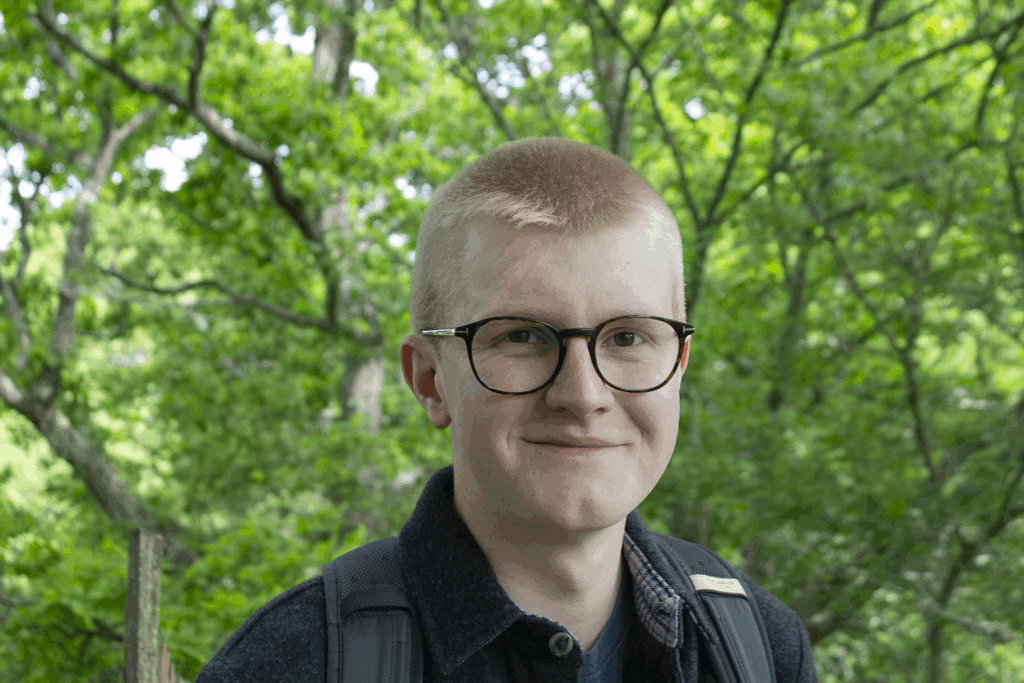
Knepp’s growing popularity has had a significant impact on the local area. Reactions from those living in villages on the estate have been mixed.
Some residents from picturesque Dial Post, on the estate’s south-eastern border, are dismayed by the changes.
“It gets so busy now. People come and take photos of my house which is really annoying,” says Leah Taylor, who has lived in the area all her life. “I stand in my window and stare at them and they get all embarrassed.”
According to former resident Angela Montague, increased footfall has brought more litter, fewer parking spots, and visitors who chase vulnerable wildlife for photos.
Montague says this newfound popularity contributed to her leaving the village she had lived in for 14 years. “Dial Post, by the time we left, felt it no longer belonged to the residents,” she says.
But many locals profess a great love for the estate. There has been a positive impact on business in the neighbourhood. Nikki Seaman, who works at The Crown Inn pub, says “we get a lot more walk-ins now, which is great”.
“Most people I’ve spoken to love the estate,” Seaman adds. “Last week we were listening to nightingales everyday, seeing the white storks fly overhead. It’s just the best start to your day.”
Despite the mixed reaction from those living nearby, Knepp’s success continues to inspire rewilding projects and future generations alike.
Back at the woodland’s edge, the cattle are starting to clear the path. Win takes a few cautious steps forward. He reflects on the environmental workshops for children that he runs as part of Knepp’s Wild Futures initiative.
“You’ve got to inspire a love for nature in the next generation,” he says, watching the last calf disappear into the woods. “If they never have any love for it, they’re not going to want to look after it.”